
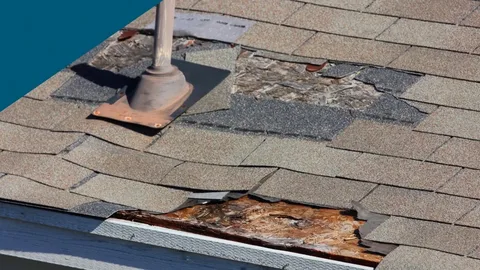
Some roof problems can wait until your next scheduled maintenance visit. Others can’t wait another hour. A roof that’s been torn open by wind, punctured by a falling branch, or is letting water pour into your living room needs attention right away, because every hour of delay can mean more water damage, higher repair bills, and real safety risks for your family or tenants.
The challenge is knowing the difference. Not every stain or missing shingle is an emergency, but some problems that look minor can turn serious fast. This guide explains the signs of emergency roof damage, how to tell an urgent problem from one that can be scheduled, what to do in the first few hours, and how to protect your property until a professional arrives.
What Counts as a Roofing Emergency?
A roofing emergency is any situation where your roof can no longer keep water, weather or structural load under control, and waiting would put people or property at risk. In general, a roof problem is an emergency if it:
- Allows active water into the building
- Creates a risk of collapse or falling debris
- Exposes the interior to the weather
- Puts electrical systems in contact with water
- Is getting visibly worse by the hour
If any of these apply, treat the problem as urgent and call a roofer as soon as it’s safe to do so.
10 Signs of Emergency Roof Damage
1. Active Leaks or Water Pouring Inside
A steady drip, water running down walls, or water pooling on floors means your roof’s waterproofing has failed. Water spreads quickly through ceilings, insulation and wall cavities, so an active leak is one of the clearest reasons to call for immediate repair.
2. A Sagging Roof or Ceiling
A roof deck or ceiling that dips, bows or bulges is a serious warning sign. It can mean water is collecting above the ceiling, or that rafters, joists or decking have been weakened. Sagging can lead to partial collapse, so keep people out of the area below.
3. Storm Damage and Missing Roofing Materials
High winds can strip off shingles, lift flashing or peel back flat roof membranes. Large missing sections expose the underlayment and roof deck to rain, and the next storm can turn a manageable repair into major water damage.
4. Fallen Trees or Large Branches
A tree or heavy limb on your roof can puncture the surface, crack rafters and break the roof’s structure. Don’t try to remove it yourself. Stay away from the damaged area and call a roofer, and a tree service if needed.
5. Holes, Punctures or Visible Daylight
Hail, flying debris or a fallen object can leave holes in the roof. If you can see daylight through the attic boards, water can get in just as easily.
6. Water Near Electrical Fixtures
Water dripping from light fixtures, ceiling fans or near outlets is dangerous. Turn off power to the affected area at the breaker if you can do so safely, avoid the wet area, and call both a roofer and an electrician.
7. Severe Flashing Failure
Flashing seals the joints around chimneys, skylights, vents and walls. When it’s torn loose or badly separated, water can flow directly into the building. Large flashing failures after a storm often cause fast, concentrated leaks.
8. Major Ponding or a Flat Roof Membrane Failure
On flat roofs, large areas of standing water add significant weight and stress to the structure. Combined with tears, blisters that have burst, or open seams, ponding water can quickly leak into the building below. Blocked drains during heavy rain can make this worse within hours.
9. Ice Dams and Heavy Snow Load
Ice dams form when melting snow refreezes at the roof edge, forcing water back under roofing materials. Heavy, wet snow can also overload a roof, especially a flat or older one. Signs include new interior leaks during winter, cracking sounds, or doors that suddenly stick on upper floors.
10. Fire or Lightning Damage
Even a small roof fire or a lightning strike can weaken the roof structure and damage materials in ways you can’t see from the ground. Once the fire department has made the area safe, have the roof inspected before the next storm.
Emergency vs. Non-Emergency Roof Problems
| Issue | Emergency? | Recommended action |
| Water actively leaking inside | Yes | Contain the water and call a roofer immediately |
| Sagging roof or ceiling | Yes | Evacuate the area below and call right away |
| Tree or large branch on roof | Yes | Stay clear; call a roofer and tree service |
| Water near electrical fixtures | Yes | Shut off power safely; call a roofer and an electrician |
| Large sections of missing roofing | Usually | Tarp if safe; schedule an urgent repair |
| A few missing or loose shingles | Not usually | Schedule a repair soon |
| Old, dry ceiling stain | Not usually | Arrange an inspection |
| Granules in gutters | No | Plan an inspection; may indicate an aging roof |
What to Do When You Spot Signs of Emergency Roof Damage
Acting quickly and safely in the first few hours can greatly reduce the total damage.
Step 1: Put Safety First
Get people and pets away from sagging ceilings, leaks near electrical fixtures, or areas under fallen trees. Never climb onto a damaged roof, especially in the dark, during a storm, or when surfaces are wet or icy.
Step 2: Shut Off Power if Needed
If water is near wiring, outlets or light fixtures, turn off electricity to that part of the building at the breaker panel, but only if you can reach it without standing in water.
Step 3: Contain the Water
Place buckets, containers and towels under leaks. Move furniture, electronics, rugs and valuables out of the way or cover them with plastic sheeting. If water is pooling in a bulging ceiling, a professional may need to release it in a controlled way.
Step 4: Document the Damage
Take photos and videos of the roof (from the ground), the interior damage and any debris. Note the date and time. This record is valuable for your insurance claim.
Step 5: Call a Professional Roofer
Contact a roofing company that offers emergency service. A professional can safely install a temporary tarp or patch, stop further water entry, and assess the full extent of the damage.
Step 6: Contact Your Insurance Company
Report the damage as soon as possible. Many policies cover sudden damage from storms, wind, hail or fallen trees, and most require you to take reasonable steps to prevent further damage, such as emergency tarping. Keep receipts for any emergency work.
Temporary Fixes vs. Permanent Repairs
Emergency roof service usually happens in two stages. First comes the temporary fix: tarping, sealing open areas, or patching a puncture to stop water from getting in. These measures protect your property in the short term, but they aren’t meant to last.
The second stage is the permanent repair. Once the weather clears, a roofer inspects the full roof, checks for hidden moisture or structural damage, and replaces damaged materials properly. Skipping this step can leave wet insulation, weakened decking or damaged flashing that leads to bigger problems later.
How to Check Your Roof After a Storm
After heavy rain, high winds, hail or snow, it’s smart to look for signs of emergency roof damage before small issues get worse. Do it safely, from the ground and from inside the house:
- Walk around the property and look for missing shingles, lifted flashing or debris on the roof
- Check for shingles, metal pieces or granules in the yard and gutters
- Look for dents in gutters, vents or metal roof parts, a common sign of hail
- Inspect ceilings and walls on upper floors for new stains or damp spots
- Check the attic with a flashlight for water, damp insulation or daylight
- On flat roofs, check from a safe access point for ponding, tears or clogged drains
If you find anything concerning, call a roofer to inspect the roof up close.
How to Reduce the Risk of Roof Emergencies
Most roof emergencies are made worse by problems that already existed. Regular maintenance helps your roof stand up to severe weather:
- Schedule a professional inspection at least once a year and after major storms
- Clean gutters, downspouts and flat roof drains regularly
- Trim trees that hang over the roof
- Repair loose shingles, worn flashing and cracked sealant quickly
- Remove heavy snow from flat roofs safely, or hire a professional to do it
- Replace a roof that’s near the end of its life before it fails
Frequently Asked Questions
What are the most common signs of emergency roof damage?
The most common are active leaks, a sagging roof or ceiling, large missing sections of roofing, holes from fallen trees or debris, and water near electrical fixtures. Any of these calls for immediate attention.
Can I fix emergency roof damage myself?
It’s best not to. Climbing onto a damaged roof is dangerous, especially during or after a storm. Focus on safety and containing the water inside, then let a professional handle tarping and repairs.
Does insurance cover emergency roof repairs?
Many homeowners and commercial policies cover sudden damage from storms, wind, hail or falling trees. Damage caused by age or poor maintenance is often excluded. Check your policy and document everything.
How quickly should a roof leak be repaired?
An active leak should be addressed as soon as possible, ideally within 24 hours. Mold can start growing on damp materials within 24 to 48 hours.
Is a sagging roof an emergency?
Yes. A sagging roof or ceiling can mean structural damage or trapped water, and it may be at risk of collapse. Keep people out of the area and call a roofer right away.
Don’t Wait When Your Roof Is at Risk
Knowing the signs of emergency roof damage helps you act fast when it matters most. Active leaks, sagging, storm damage, fallen trees and water near electrical systems all call for immediate action, while quick containment and professional help can keep a bad situation from getting worse.
If you’re seeing signs of emergency roof damage in New York City, Avenue NY Roofing is ready to help. Our team provides fast inspections, temporary protection and lasting repairs for flat and pitched roofs. Contact our roof repair team now, or learn more about our flat roof repair service and replacement services.