A roof inspection is not a routine formality. It is a structured diagnostic process that determines the structural integrity, weatherproofing performance, and remaining service life of one of the most critical components of any building. Understanding what comprehensive roof inspection services include and why they matter protects homeowners from hidden damage, unplanned repair costs, and safety hazards.
What Is a Comprehensive Roof Inspection?
A comprehensive roof inspection is a systematic evaluation conducted by a certified roofing professional to assess every visible and accessible element of the roofing system. Unlike a basic visual walkthrough, a comprehensive inspection documents the condition of roofing materials, flashings, drainage systems, ventilation, underlayment, and structural components.
The inspection process produces a detailed report that identifies existing damage, early-stage deterioration, installation defects, and maintenance needs. This documentation supports insurance claims, real estate transactions, warranty compliance, and preventive maintenance planning.
Key Components of a Roof Inspection
A professionally conducted roof inspection covers multiple subsystems that work together to protect a structure from water intrusion, wind uplift, thermal movement, and biological growth.
Roofing Materials Assessment is the first layer of evaluation. Inspectors examine shingles, tiles, metal panels, or membrane surfaces for cracking, curling, blistering, granule loss, and impact damage. Each material type has predictable failure patterns, and a trained eye identifies accelerated wear caused by UV exposure, freeze-thaw cycles, or storm events.
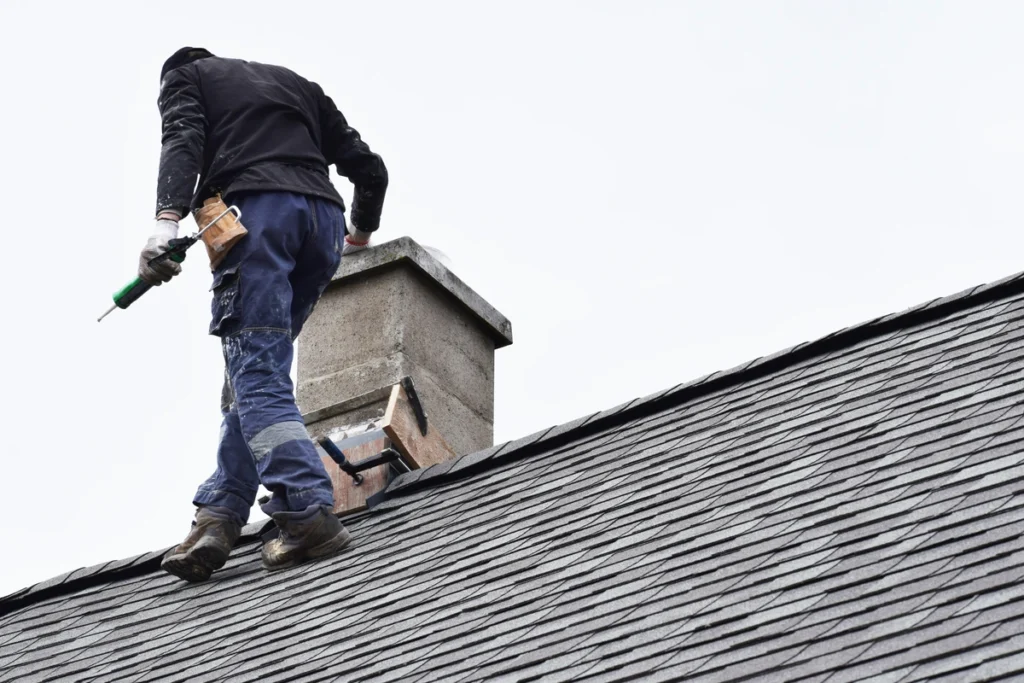
Flashing and Sealing Inspection addresses the points where the roof meets vertical surfaces — chimneys, skylights, vents, dormers, and walls. Flashing failure is one of the leading causes of water infiltration. Inspectors check for corrosion, separation, improper lapping, and sealant degradation at every transition point.
Gutter and Drainage Evaluation ensures that water is efficiently directed away from the structure. Clogged gutters, improper slope, sagging sections, and downspout blockages cause water to back up under roofing materials, leading to fascia rot, soffit damage, and foundation moisture problems.
Ventilation System Review examines ridge vents, soffit vents, power ventilators, and attic airflow. Inadequate ventilation causes heat buildup that degrades shingles prematurely and contributes to ice dam formation in cold climates. Proper airflow also controls moisture that leads to mold growth and wood rot in the roof deck.
Structural Integrity Check evaluates the decking, rafters, and ridge board for signs of sagging, delamination, soft spots, and water staining. These structural elements support the entire roofing system, and compromised decking requires immediate attention before surface repairs are undertaken.
Types of Roof Inspections
Different situations call for different inspection approaches. Understanding the distinction helps homeowners select the appropriate service.
A physical inspection involves direct contact with roofing surfaces. Inspectors walk the roof (where safe) and use probing tools to test for soft spots and moisture retention. This approach produces the most detailed results but requires safe access.
A drone inspection uses aerial photography and video to document roof condition without direct physical contact. This method is particularly useful for steep-pitch roofs, high-rise structures, and post-storm assessments where debris or structural instability makes foot traffic unsafe.
An infrared (thermal) inspection uses thermographic imaging to detect moisture trapped within roofing assemblies before it becomes visible. This non-invasive technology identifies wet insulation, saturated decking, and concealed leaks that visual inspections cannot reveal.
When to Schedule a Roof Inspection
Timing matters in roof maintenance. Homeowners should schedule a comprehensive inspection in the following circumstances:
After any significant weather event, including hail storms, high winds, heavy snow loads, or hurricanes, an inspection documents damage for insurance claims and identifies repairs needed to prevent further deterioration.
Before purchasing or selling a property, an independent roof inspection can reveal defects that affect value, negotiations, and disclosure obligations. A failing roof is one of the most costly surprises in a real estate transaction.
Every one to three years as part of a proactive maintenance program. Most roofing systems perform for decades when minor issues are identified and addressed early. Annual or biennial inspections are particularly important for aging roofs within five to ten years of their expected service life.
When interior signs suggest a roofing problem — water stains on ceilings, daylight visible in the attic, elevated heating costs, or mold growth near the roofline — an exterior inspection should follow immediately.
What a Roof Inspection Report Contains
A professional inspection report is the deliverable that justifies the cost of the service. It should include clear photographic documentation of every inspected area, a condition rating for each roofing component, prioritized repair recommendations with estimated timelines, and an assessment of the roofing system’s remaining useful life.
High-quality reports distinguish between deferred maintenance, immediate repairs, and future capital replacement. This tiered approach allows homeowners and property managers to allocate maintenance budgets strategically rather than reactively.
Choosing a Qualified Roof Inspector
Credentials and experience determine the reliability of inspection findings. Look for inspectors certified by recognized industry organizations such as the National Roofing Contractors Association (NRCA) or the International Association of Certified Home Inspectors (InterNACHI), or who hold manufacturer certifications for specific roofing systems.
A qualified inspector carries liability insurance and provides written documentation of findings. Avoid services that offer free inspections contingent on repair contracts — this arrangement creates financial incentives that can compromise objectivity.
The Value of Preventive Roof Maintenance
A roof that is inspected and maintained regularly outlasts a neglected roof by years. The cost of a comprehensive inspection is a fraction of the expense of emergency repairs, interior water-damage remediation, or a full roof replacement, all of which are accelerated by unaddressed deterioration.
Comprehensive roof inspection services are not simply about finding problems. They are about understanding the current condition of a complex system, making informed decisions about maintenance investments, and protecting the structural health of the entire property.
Scheduling a professional roof inspection is one of the most cost-effective decisions a property owner can make.