
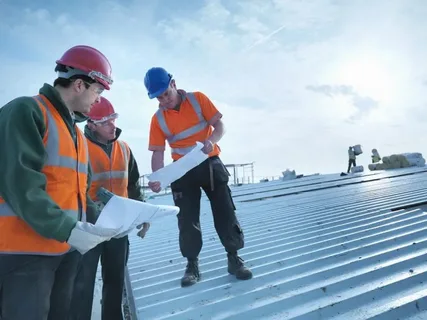
Everything NYC homeowners need to know — from flat-roof repairs in Brooklyn to slate restoration in Staten Island — before hiring a roofer in the five boroughs.
New York City’s housing stock is unlike anywhere else in the country. Brownstones with century-old slate, Queens colonials with asphalt shingles, and Downtown Manhattan co-ops with membrane-clad flat roofs all demand a different kind of expertise. This guide walks you through every stage of residential roofing in NYC — from recognizing damage early to navigating DOB permits — so you hire the right contractor the first time.
Why NYC Roofing Is Different
Roofing in New York City operates under a unique set of pressures that contractors elsewhere simply don’t face. Dense urban construction means roof access is often limited to interior stairways or narrow alleyways. The city’s Department of Buildings (DOB) enforces strict permit and inspection requirements. And the climate — blizzards, nor’easters, summer heat islands reaching 110°F on dark membrane surfaces — puts extraordinary stress on every roofing system.
Beyond the logistics, NYC’s architectural diversity means that a single roofing company must be proficient in everything from EPDM rubber membranes on flat Bronx rowhouses to clay tile on historic Riverdale estates. Not every contractor is equipped for this range.
NYC-Specific Roofing Rules You Should Know
Roof replacement projects in NYC generally require a DOB permit if structural work is involved. Work on landmark-designated properties must be approved by the Landmarks Preservation Commission (LPC). Always confirm your contractor pulls permits in their name — unlicensed work can result in fines and complications when you sell the property.
Common Roof Types in NYC Homes
Understanding what kind of roof you have is the first step toward hiring the right specialist. Here are the most common residential roof types across the five boroughs:
Flat & Low-Slope Roofs
The dominant roofing system in Brooklyn, the Bronx, and Manhattan row homes. Modern flat roofs use EPDM (rubber), TPO, or modified bitumen membranes. These require periodic inspection — especially after freeze-thaw cycles — to catch blistering, ponding water, and seam failures before they become interior leaks.
Asphalt Shingle Roofs
Found extensively in Staten Island, southeast Queens, and the Rockaways. Architectural shingles now dominate new installations because they carry longer manufacturer warranties (30–50 years) and stand up better to wind uplift, a real concern near the coast.
Slate Roofs
Many late-19th and early-20th century homes in Riverdale, Park Slope, and Ditmas Park feature natural slate. Properly maintained, slate can last 100+ years. However, replacing individual broken slates requires a specialist — incorrect installation damages adjacent slate and voids warranties.
Metal Roofing
Standing-seam steel and copper roofing appear on Victorian-era homes and a growing number of modern renovations. Metal is an excellent long-term investment in NYC’s climate — impervious to mold, highly wind-resistant, and increasingly popular as a sustainable alternative.
Rubber & Modified Bitumen
Commonly used on brownstone additions, garage roofs, and low-pitched rear extensions. Modified bitumen (torch-down) is one of the most cost-effective systems for small flat areas but must be installed by certified contractors due to fire-safety requirements.
Residential Roofing Services Available in NYC
A reputable NYC roofing company should offer the full range of services your home may need at any stage of its lifecycle:
- Roof Inspection & Assessment — A written, photographic inspection report is the starting point for any repair or replacement project. Look for companies that use drone inspections for steep or inaccessible pitches.
- Leak Detection & Emergency Repairs — NYC’s sudden rainstorms demand 24/7 emergency response. Reputable contractors offer tarping and temporary patches to stop active leaks while permanent repairs are scheduled.
- Flat Roof Repair & Replacement — Includes membrane patching, re-coating, full tear-off and re-membrane on EPDM, TPO, and modified bitumen systems.
- Shingle Repair & Full Replacement — From replacing a handful of storm-damaged shingles to a complete re-roof with new underlayment, ice & water shield, and ridge ventilation.
- Slate & Tile Restoration — Individual slate replacement, re-pointing of mortar ridges, flashing replacement, and slate-compatible ventilation.
- Flashing Repair — Chimney flashing, skylight flashing, and wall flashing are among the most common sources of leaks in NYC homes. This is a standalone service, not bundled into inspections.
- Gutter & Drainage Installation — Proper drainage is critical on NYC’s tight lots. Services include half-round copper gutters for historic homes and seamless aluminum for modern properties.
- Skylight Installation & Repair — Particularly common in Brooklyn brownstone gut renovations and Manhattan co-op penthouses.
- Green & Cool Roof Systems — NYC’s Local Law 92 and 94 require green roofs or solar panels on new buildings and major renovations. Contractors certified in green roof installation are increasingly in demand.
- Roof Deck Construction — Rooftop deck installation over a waterproofed membrane system, a high-demand service across all five boroughs.
In New York City, a roof isn’t just protection from the weather — it’s load-bearing infrastructure, a potential living space, and in many neighborhoods, a piece of architectural history worth preserving.
What Does Roofing Cost in NYC?
NYC labor and material costs run significantly higher than the national average. The table below provides realistic 2026 estimates for common residential roofing projects across the five boroughs. All prices include materials, labor, disposal, and standard permit fees where applicable.
| Service | Typical Scope | Estimated Cost |
|---|---|---|
| Roof Inspection | Full report with photos | $300 – $600 |
| Flat Roof Repair (patch) | Up to 100 sq. ft. EPDM | $500 – $1,500 |
| Flat Roof Replacement | 1,000 sq. ft. TPO/EPDM | $8,000 – $18,000 |
| Asphalt Shingle Replacement | 1,500 sq. ft. architectural | $12,000 – $22,000 |
| Slate Repair | 10–20 slates replaced | $800 – $2,500 |
| Chimney Flashing | Step & counter flashing | $600 – $1,800 |
| Skylight Installation | Single unit, flashed & sealed | $1,800 – $4,500 |
| Gutter Replacement | Seamless aluminum, 100 ft. | $1,200 – $2,800 |
| Green Roof System | 500 sq. ft. extensive | $15,000 – $30,000 |
Pro Tip: Get Three Written Estimates
Always collect at least three written quotes. Request itemized breakdowns — labor, materials, disposal, and permits listed separately. Any contractor who won’t provide an itemized estimate in writing should raise a red flag. In NYC, verbal agreements carry little legal weight.
How to Hire a Roofing Contractor in NYC
New York State and New York City both have licensing requirements for home improvement contractors. The process of vetting a roofer should follow a consistent checklist:
- Verify NYC Home Improvement Contractor (HIC) License — Contractors performing residential work in NYC must hold an HIC license issued by the Department of Consumer and Worker Protection (DCWP). Search the license at nyc.gov.
- Check General Liability Insurance — Minimum $1 million per occurrence is standard. Request a Certificate of Insurance (COI) naming you as an additional insured.
- Confirm Workers’ Compensation Coverage — Without it, you may be liable for injuries sustained on your property during the project.
- Review DOB Permit History — Search the DOB BIS portal for the contractor’s past jobs. A history of violations or open stop-work orders is a serious warning sign.
- Ask for Local References — Request three references from projects in your borough within the past two years. Drive by completed projects if possible.
- Review the Contract Carefully — The contract should specify scope of work, materials (by manufacturer and product name), payment schedule, start and completion dates, and warranty terms in writing.
- Avoid Large Upfront Payments — NYC law limits the deposit a home improvement contractor can require. Never pay more than one-third of the total project cost upfront.
Warning Signs Your Roof Needs Attention
Many NYC homeowners only discover roofing problems when water is already dripping through the ceiling. Proactive inspections — particularly after major storms — can catch issues years before they become costly emergencies. Watch for:
- Water stains or bubbling paint on upper-floor ceilings or walls
- Missing, cracked, or curling shingles after wind events
- Blistering or pooling water on flat roof membranes
- Crumbling or displaced mortar around chimney flashing
- Granule loss from asphalt shingles collecting in downspouts
- Daylight visible through roof decking from the attic
- Sagging or uneven roofline (a structural concern requiring immediate evaluation)
- Persistent musty odors in upper-floor rooms (mold from trapped moisture)
Best Time of Year for Roofing Work in NYC
Late spring through early fall (May–October) is the optimal window for most roofing projects in New York City. Temperatures between 45°F and 85°F are ideal for asphalt shingle installation — adhesive strips seal properly and materials remain workable. EPDM and TPO flat-roof membranes can be installed year-round but require additional care in freezing temperatures.
Booking in late winter or early spring (February–April) often results in better scheduling availability and, with some contractors, off-season pricing. Avoid scheduling large projects for July and August if possible — extreme heat makes rooftop conditions dangerous and increases the risk of material damage during installation.
Roofing by Borough: What to Know
Brooklyn
Flat-roof rowhouses and brownstones dominate, making modified bitumen and EPDM expertise essential. Landmark districts like Park Slope and Fort Greene may require LPC approval for visible changes to roofing materials.
Queens
The most architecturally diverse borough. Detached single-family homes in Jamaica and Bayside have pitched asphalt roofs, while attached row homes in Astoria and Jackson Heights often have flat roofs with parapet walls.
Manhattan
High-rise co-ops and condos dominate, but townhouses and brownstones in the West Village, Harlem, and Upper West Side require residential roofing expertise. Access logistics (building management approval, elevator scheduling, street parking for equipment) add cost and lead time.
The Bronx
A mix of attached rowhouses, detached colonials, and multi-family buildings. Many properties have aging tar-and-gravel roofs overdue for conversion to modern TPO or EPDM membranes.
Staten Island
The most suburban of the five boroughs with the highest concentration of detached single-family homes. Asphalt shingle and, increasingly, metal roofing dominates. Coastal proximity in areas like South Beach and Tottenville means wind-resistance ratings are particularly important.