New York City’s commercial building ecosystem operates under extreme structural, environmental, and regulatory pressure. From high-rise office towers in Midtown Manhattan to logistics facilities in Brooklyn and healthcare complexes across Queens, commercial roofing systems in NYC must deliver durability, compliance, and long-term asset protection.
NYC commercial roofing contractors function as technical infrastructure partners, not merely installation vendors. Their role spans roof engineering, regulatory alignment, risk mitigation, and lifecycle optimization within one of the most complex construction environments in the United States.
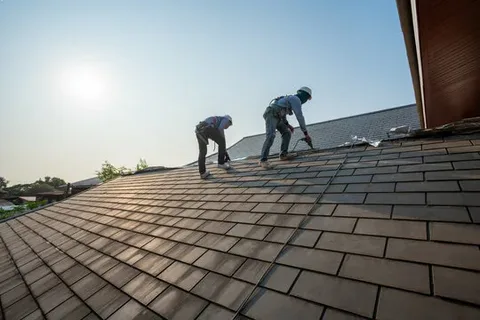
Understanding Commercial Roofing in New York City Built Environment
Commercial roofing in NYC differs fundamentally from suburban or low-density markets due to:
- High rise load calculations
- Wind uplift and coastal exposure
- Dense pedestrian protection requirements
- Local Law compliance
- Multi tenant operational continuity
Professional commercial roofing contractors in NYC design systems that integrate structural engineering, waterproofing science, thermal performance, and regulatory compliance into a single execution framework.
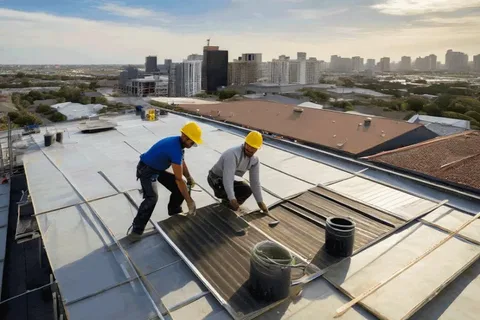
Core Commercial Roofing Systems Installed by NYC Contractors
NYC commercial roofing contractors specialize in system based installations, not isolated materials. Each system is selected based on building height, usage, occupancy type, and zoning classification.
TPO Roofing Systems
Thermoplastic Polyolefin TPO roofing is widely used for large commercial roofs due to its:
- High solar reflectivity
- Energy efficiency under NYC Local Law 97
- Resistance to UV and chemical exposure
TPO systems are commonly specified for warehouses, retail centers, and institutional buildings.
EPDM Roofing Solutions
Ethylene Propylene Diene Monomer EPDM roofing provides:
- Exceptional flexibility in extreme temperatures
- Proven longevity in NYC freeze thaw cycles
- Low maintenance lifecycle benefits
EPDM is frequently deployed on low-slope commercial and industrial properties.
Modified Bitumen Roofing
Modified bitumen remains a preferred option for:
- Multi layer waterproofing
- High foot traffic areas
- Buildings requiring reinforced redundancy
NYC contractors often install SBS and APP systems for hospitals, schools, and legacy structures.
Commercial Metal Roofing
Metal roofing systems are used for:
- Long span structural durability
- Fire resistance and wind uplift performance
- Architectural integration in modern developments
These systems require precision engineering and specialized installation expertise.
Commercial Roof Engineering and Structural Integration
Unlike residential roofing, NYC commercial roofing requires engineering led design coordination. Contractors collaborate with structural engineers, architects, and building managers to ensure:
- Load bearing capacity alignment
- Drainage slope optimization
- Rooftop equipment accommodation HVAC, solar, telecom
- Parapet and edge metal compliance
This integrated approach prevents premature failure and ensures full DOB approval.
NYC Roofing Codes Permits and Compliance Requirements
Commercial roofing contractors in NYC must operate within one of the most regulated construction frameworks in the country.
Key compliance areas include:
- NYC Department of Buildings DOB permits
- FDNY fire rating standards
- Local Law 11 façade and roof inspections
- Local Law 97 energy performance targets
- OSHA and site safety requirements
Non compliant roofing work can result in stop work orders, fines, or insurance exposure. Professional contractors manage compliance as a core service, not an afterthought.
Commercial Roof Replacement vs Restoration in NYC
Strategic NYC roofing contractors guide property owners through cost performance decision models.
Roof Replacement
Recommended when:
- Structural membrane failure is present
- Insulation is compromised
- Roof has exceeded its service lifecycle
Replacement provides long-term risk elimination but requires higher capital investment.
Roof Restoration and Coating Systems
Viable when:
- Structural integrity remains intact
- Leaks are localized
- Energy performance upgrades are required
Restoration extends roof lifespan while minimizing tenant disruption.
Preventive Maintenance Programs for NYC Commercial Roofs
Commercial roofing in NYC is an ongoing operational discipline. Leading contractors offer scheduled maintenance programs that include:
- Infrared moisture scans
- Drainage system inspections
- Flashing and penetration reinforcement
- Storm damage assessments
Preventive maintenance reduces emergency repair costs and supports warranty compliance.
Why Experienced NYC Commercial Roofing Contractors Matter
The difference between generic roofing services and specialized NYC commercial contractors lies in:
- Urban logistics coordination
- High-rise safety protocols
- Regulatory documentation expertise
- Multi-stakeholder project management
Experienced contractors protect not only the roof—but the building’s operational continuity, legal standing, and long-term asset value.
Selecting the Right Commercial Roofing Contractor in NYC
When evaluating NYC commercial roofing contractors, decision-makers should prioritize:
- Proven NYC project portfolio
- Licensed and insured operations
- System-based not material only approach
- Transparent warranties and maintenance plans
- Deep understanding of NYC building codes
Contractors who operate holistically deliver measurable ROI beyond installation.
What do commercial roofing contractors in NYC do?
They design, install, repair, and maintain code-compliant roofing systems for commercial and industrial buildings in New York City.
Which roofing systems are common for NYC commercial buildings?
TPO, EPDM, modified bitumen, and commercial metal roofing systems are most commonly used.
Do NYC commercial roofing projects require permits?
Yes. Most commercial roofing work requires NYC DOB permits and inspections.
How long does a commercial roof last in NYC?
Depending on the system, commercial roofs typically last 20–40 years with proper maintenance.
What is the best roofing system for flat commercial roofs?
TPO and EPDM are widely used due to durability, energy efficiency, and low maintenance.
Can a commercial roof be restored instead of replaced?
Yes, if the structure is sound, restoration or coating systems can extend roof life.
Are NYC commercial roofs subject to energy laws?
Yes. Local Law 97 requires many buildings to meet energy efficiency and emission standards.
How often should commercial roofs be inspected in NYC?
At least twice a year and after major storms.
Do commercial roofing contractors handle safety compliance?
Professional contractors manage OSHA requirements, site safety plans, and pedestrian protection.
Why hire a specialized NYC commercial roofing contractor?
NYC projects require expertise in high-rise logistics, local codes, and dense urban construction.
The Strategic Role of Commercial Roofing in NYC Property Performance
In New York City, commercial roofing is not a background trade—it is a strategic building system that influences energy compliance, tenant safety, operational costs, and regulatory risk.
NYC commercial roofing contractors serve as long-term partners in building performance optimization, ensuring roofs function as engineered systems capable of supporting the city’s vertical, high-density future.