
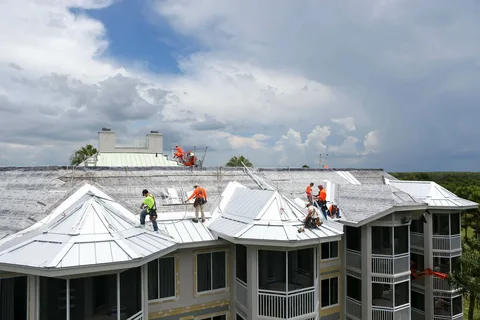
New York City represents one of the most demanding built environments in the world. With its dense skyline, diverse building typologies, extreme seasonal weather, and strict regulatory oversight, roofing in NYC is not a generic construction service it is a specialized discipline. A professional roofing company in New York City functions as a risk-management partner, compliance expert, and long-term asset protector for residential, commercial, and mixed-use properties.
This guide explains how NYC roofing companies operate, the systems they install, the regulations they navigate, and how property owners can evaluate roofing contractors in one of the most regulated construction markets in the world.
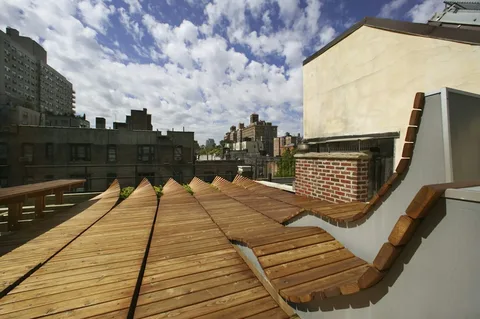
Understanding the Roofing Landscape in New York City
Roofing systems in New York City must perform under unique structural, environmental, and legal constraints. Unlike suburban or low-density markets, NYC buildings often feature:
- Flat or low-slope roofs
- Multi-layer legacy roofing systems
- Occupied structures during installation
- Load-sensitive structural decks
- Fire-rated and energy-regulated assemblies
A qualified roofing company in NYC must account for vertical access, limited staging space, noise ordinances, and continuous building operations while maintaining safety and compliance.
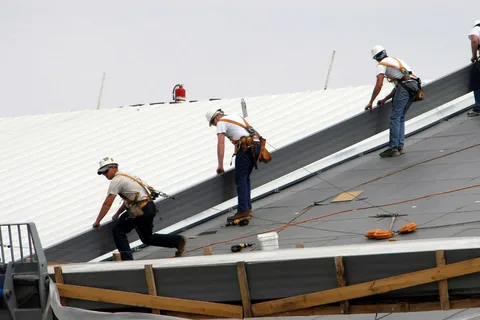
Types of Roofing Services Offered in New York City
Residential Roofing Services
Residential roofing in NYC includes single-family homes, townhouses, and multi-unit residential buildings. Roofing companies provide:
- Asphalt shingle roof installation and replacement
- Flat roof systems for brownstones and row houses
- Leak detection and emergency roof repair
- Roof ventilation and insulation upgrades
Given NYC’s freeze-thaw cycles and high wind exposure, residential roofs must balance durability, drainage efficiency, and thermal performance.
Commercial Roofing Solutions
Commercial roofing companies in New York City specialize in large-scale, performance-driven systems, including:
- TPO, PVC, and EPDM membrane roofing
- Modified bitumen and built-up roofing (BUR)
- Green roofing and reflective cool roof systems
- Roof restoration and coating applications
Commercial roofs must meet NYC energy codes, fire classifications, and manufacturer warranty standards while minimizing operational disruption.
Industrial and Institutional Roofing
Hospitals, schools, warehouses, and municipal buildings require roofing systems engineered for long-term service life and redundancy. NYC roofing contractors in this segment handle:
- Structural roof assessments
- Phased installations for occupied facilities
- High-load and equipment-support roofs
- Preventive maintenance programs
These projects demand coordination with facility managers, engineers, and inspectors.
Roofing Materials Commonly Used in NYC
A professional roofing company in New York City selects materials based on building type, load capacity, and regulatory requirements.
Flat Roofing Systems
- TPO Thermoplastic Polyolefin
- PVC Polyvinyl Chloride
- EPDM Ethylene Propylene Diene Monomer
Traditional and Sloped Systems
- Asphalt shingles
- Slate and clay tiles
- Standing seam metal roofing
Sustainable Roofing Options
- Green roofs
- Cool roofs with high solar reflectance
- Energy-efficient insulation systems
Each material must comply with NYC Fire Code, Building Code, and Local Law requirements.
NYC Roofing Regulations and Compliance Requirements
Roofing companies in New York City operate under some of the strictest construction regulations in the United States. Key compliance areas include:
- NYC Department of Buildings (DOB) permits
- Local Law 11 and façade safety coordination
- Fire-resistant roofing assemblies
- Energy Conservation Code compliance
- OSHA and NYC Site Safety regulations
Failure to comply can result in fines, stop-work orders, and liability exposure. Reputable roofing companies manage permitting, inspections, and documentation as part of their service.
The Importance of Roof Maintenance in New York City
Due to exposure to extreme weather and rooftop congestion (HVAC units, solar panels, water tanks), roofs in NYC deteriorate faster than in many other markets.
Professional roofing companies offer:
- Scheduled roof inspections
- Drain and flashing maintenance.
- Minor repairs to prevent system failure.
- Condition reports for property managers.
Preventive maintenance extends roof lifespan, reduces emergency repairs, and protects building interiors.
How to Choose the Right Roofing Company in New York City
Selecting a roofing contractor in NYC requires more than comparing prices. Property owners should evaluate:
- NYC licensing and insurance coverage
- Experience with similar building types
- Knowledge of local codes and permits
- Manufacturer certifications
- Documented safety protocols
A qualified roofing company provides transparent proposals, clear timelines, and warranty-backed workmanship.
Roofing Emergencies and Storm Response
New York City roofing companies must respond rapidly to:
- Storm damage
- Wind uplift failures
- Water infiltration
- Ice dam-related leaks
Emergency roofing services include temporary protection, leak mitigation, and post-event assessments to support insurance claims and permanent repairs.
Long-Term Value of Professional Roofing in NYC
A properly designed and installed roof contributes to:
- Energy efficiency
- Structural protection
- Property valuation
- Regulatory compliance
- Reduced lifecycle costs
In a city where real estate assets are highly valuable, roofing is a strategic investment rather than a routine expense.
How much does roofing cost in New York City?
Roofing costs in NYC vary based on roof size, system type, access complexity, and compliance requirements. Flat and commercial roofs generally cost more due to labor and permitting.
Do roofing companies in NYC need permits?
Yes. Most roofing projects require permits from the NYC Department of Buildings, and licensed contractors handle this process.
What is the most common roof type in NYC?
Flat roofing systems such as TPO, EPDM, and modified bitumen are most common due to building density and structural design.
How long does a roof last in New York City?
Depending on materials and maintenance, NYC roofs typically last 15–30 years. Preventive maintenance significantly extends lifespan.
Are emergency roofing services available in NYC?
Yes. Professional roofing companies provide emergency leak repairs and storm damage response across all five boroughs.
What roofing materials are best for NYC weather?
TPO, PVC, metal roofing, and asphalt shingles are commonly used due to their durability against wind, snow, and temperature fluctuations.
How do I verify a roofing contractor in NYC?
Check NYC licensing, insurance certificates, manufacturer certifications, and prior project experience within the city.
Do commercial buildings need roof maintenance plans?
Yes. Routine inspections and maintenance are essential for compliance, warranty protection, and long-term cost control.
Can roofing be done on occupied buildings?
Yes. NYC roofing companies specialize in phased installations that minimize disruption to residents or businesses.
What makes NYC roofing different from other cities?
NYC roofing involves strict regulations, limited access, high-rise safety requirements, and complex structural conditions.
Conclusion
A roofing company in New York City is not merely a contractor it is an essential infrastructure partner. From navigating regulatory complexity to engineering systems for extreme urban conditions, NYC roofing professionals play a critical role in protecting buildings, occupants, and long-term property value.
For property owners, developers, and facility managers, working with an experienced, compliant, and technically capable roofing company is essential to maintaining safe, efficient, and resilient buildings in one of the world’s most challenging construction environments.